Understanding Shaded Japanese Teas
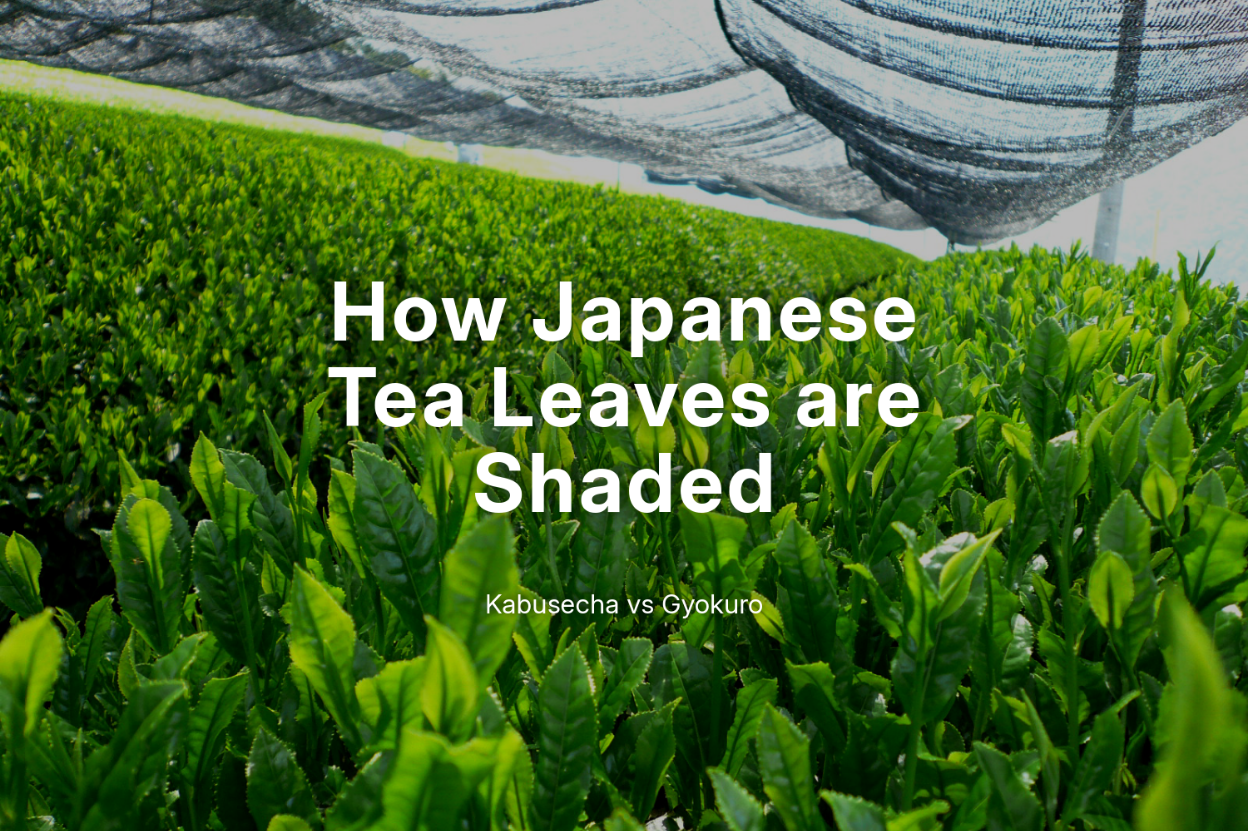
Have you ever wondered why some Japanese green teas have a rich umami flavor and deep green color? One important factor is how much sunlight the tea leaves receive before harvest.
In Japan, certain teas are grown under shade for a period of time before they are picked. This cultivation method, known as hifuku saibai (被覆栽培), changes tea leaves and contributes to the distinctive flavors of kabusecha, gyokuro, and matcha.
What Does Shading Do to Tea?
Shading is the unique practice of covering tea plants to reduce their exposure to sunlight during the final stages of growth.
Sunlight plays an important role in the development of tea leaves. Not only is sunlight crucial for photosynthesis but as tea plants receive sunlight, amino acids such as L-theanine are consumed in processes that contribute to the formation of catechins, compounds associated with bitterness and astringency.
By limiting sunlight, tea farmers can help preserve more of the amino acids responsible for tea's savory umami flavor and reduce the development of astringency.
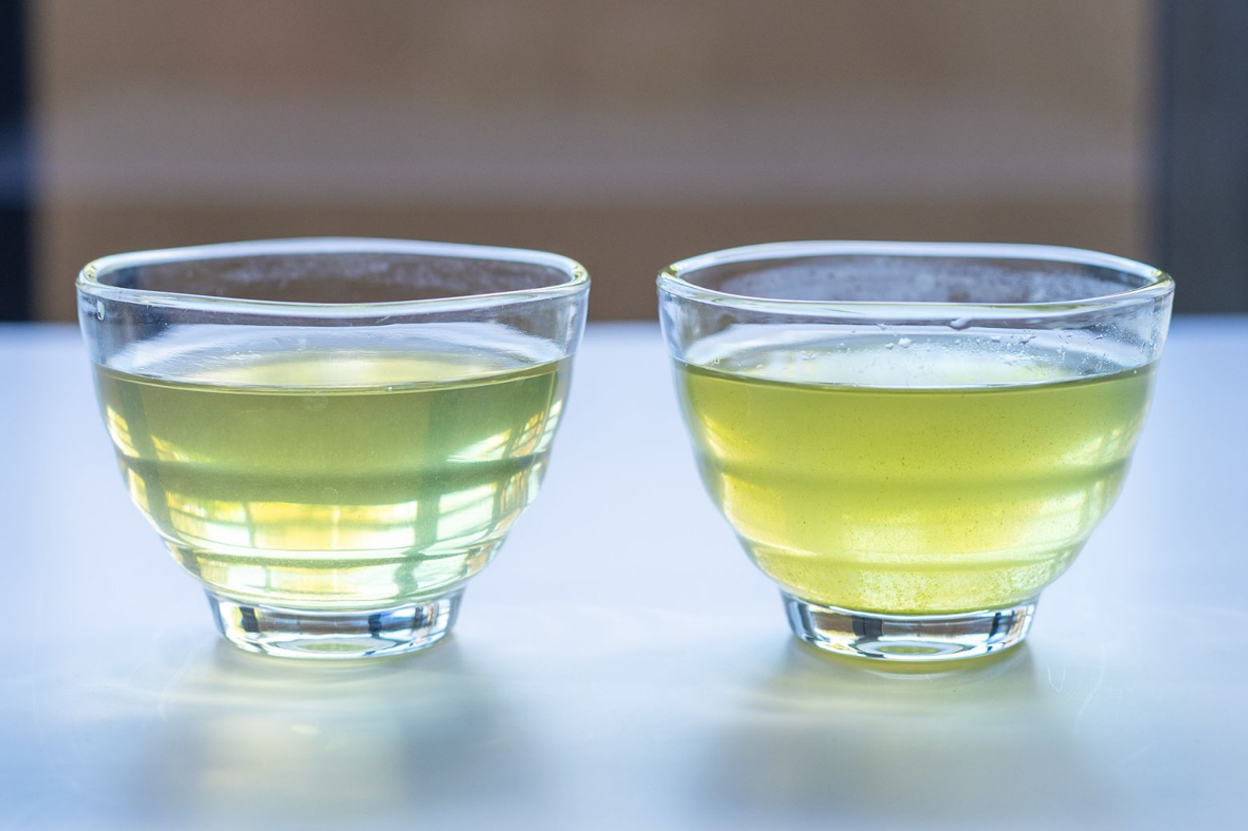
Shading also encourages the production of chlorophyll, giving the leaves a deeper green color. Depending on the duration and intensity of shading, the resulting tea may have a sweeter, smoother taste, a fuller umami character, and a distinctive aroma known in Japanese as ooika (覆い香), or covering aroma.
The History of Shaded Tea in Japan
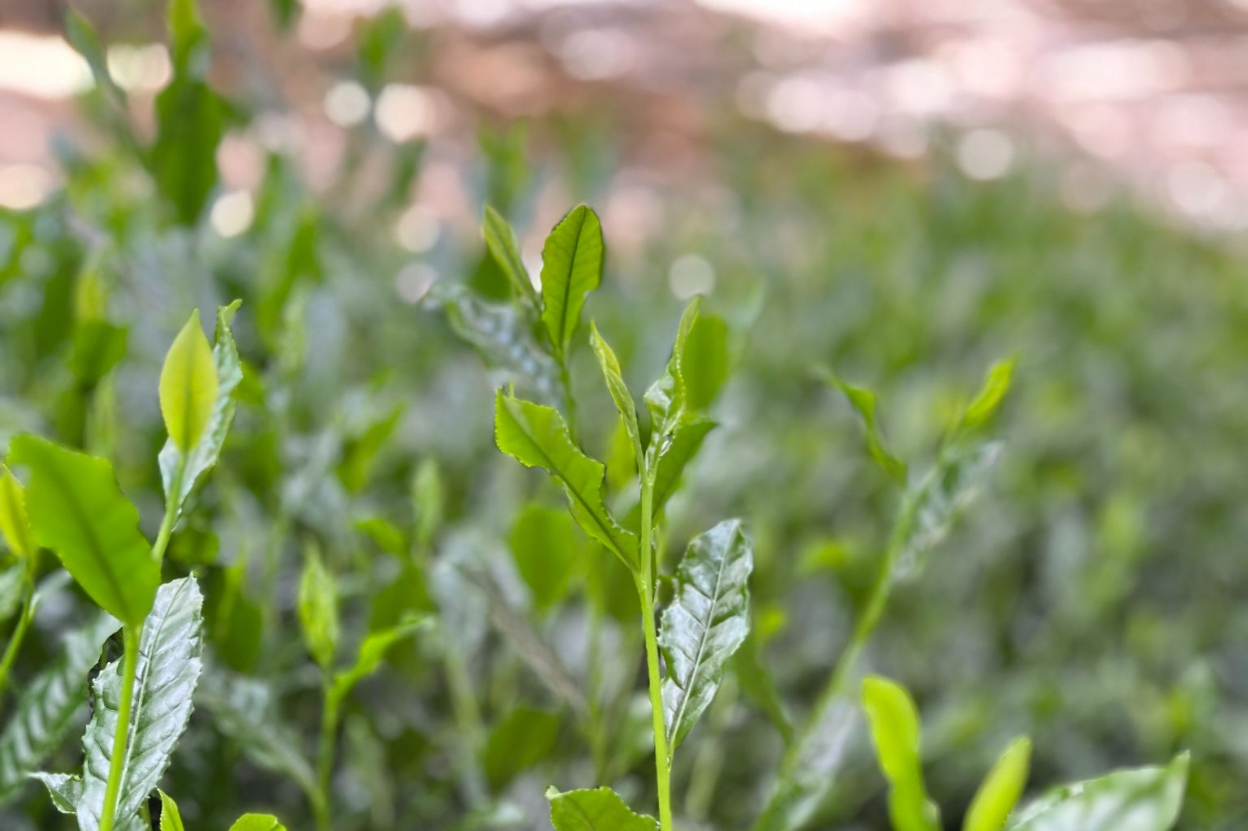
The practice of shading tea has a long history in Japan, particularly in Uji, Kyoto, an area known for its production of matcha and gyokuro.
Tea farmers began covering their tea plants with materials such as reeds and straw several centuries ago. One explanation for the origin of this practice is that these coverings were originally used to protect tender spring tea shoots from frost.
Over time, farmers discovered that tea grown under these coverings developed a different flavor and appearance. The leaves became greener, with a smoother taste and greater umami.
Shading became an important part of producing tencha, the tea leaf material used to make matcha. In the 19th century, the development of gyokuro introduced another way to enjoy the rich flavor of shaded tea, this time as a loose-leaf green tea.
As Japanese tea cultivation developed, shading techniques were also adopted for other teas, including kabusecha and certain varieties of sencha.
How Are Japanese Tea Plants Shaded?
Today, tea farmers use several methods to control how much sunlight reaches their tea plants.
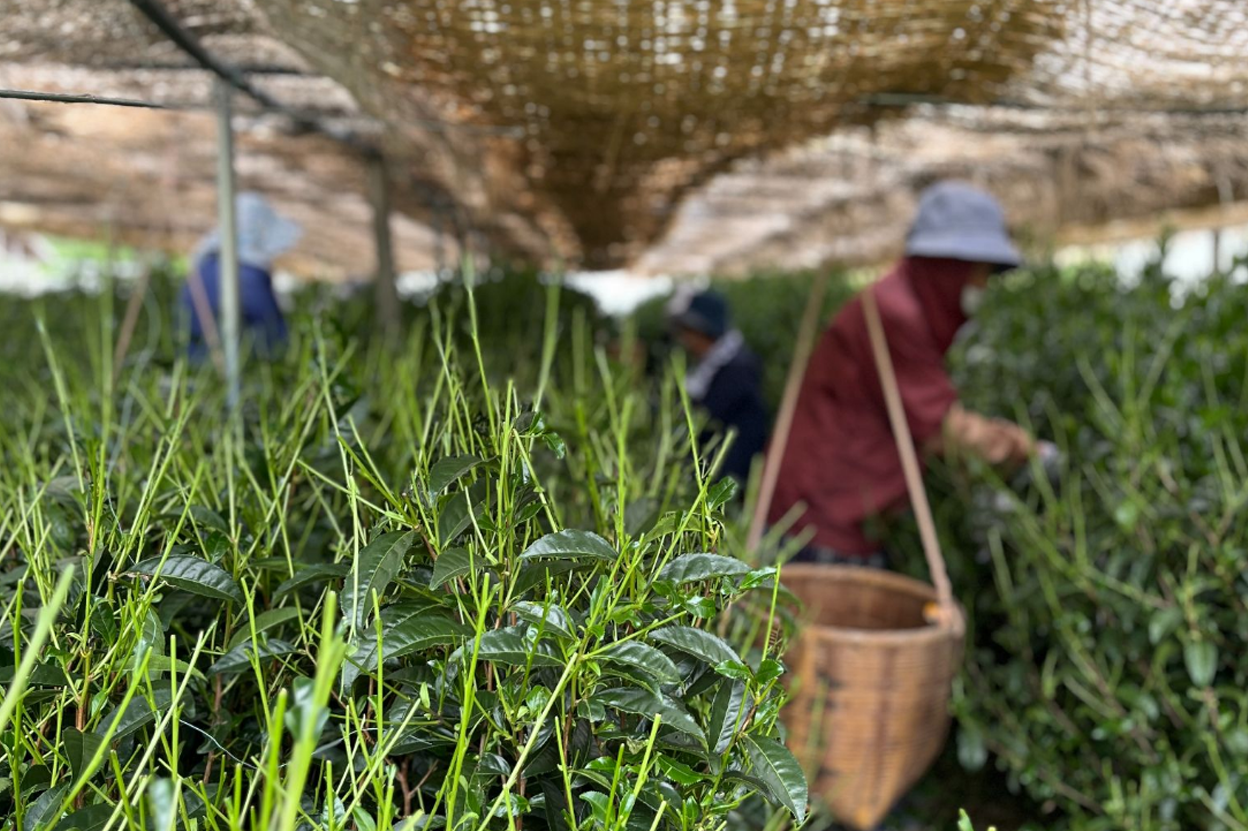
Traditionally, tea fields were shaded using structures made from bamboo, reeds, and rice straw. This method, known as honzu (本簾), involves building a canopy above the tea bushes and gradually adding layers of shading materials.
Modern tea farms often use synthetic shading cloth, which allows farmers to control sunlight exposure more efficiently. The cloth may be suspended above the tea bushes using a canopy structure or placed directly over the plants.
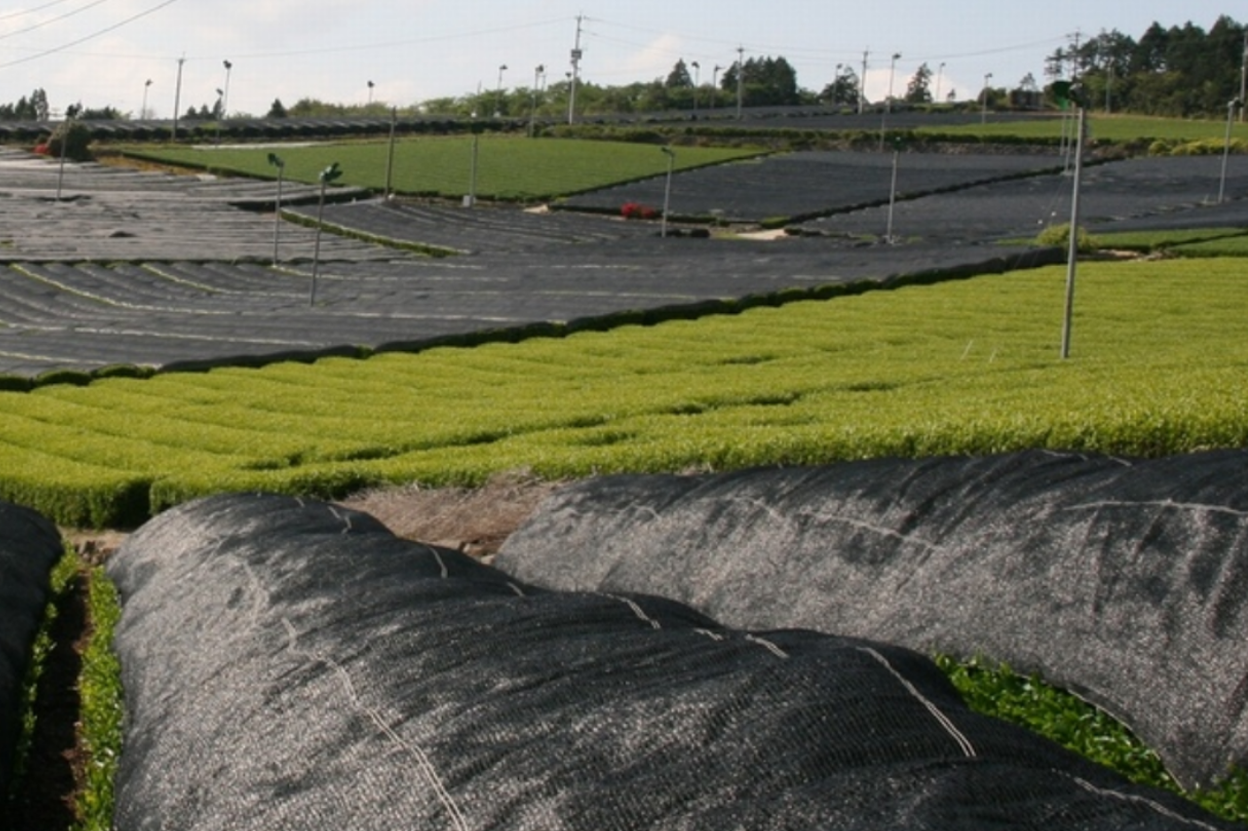
The length of shading also varies depending on the type of tea being produced.
Kabusecha: Typically shaded for approximately 7–14 days before harvest, developing a balance of umami and the refreshing character of sencha.
Gyokuro: Generally shaded for around 20 days or longer, producing a rich umami flavor with reduced astringency.
Tencha (for Matcha): Typically shaded for several weeks before harvest.The harvested leaves are steamed and dried without rolling, then refined and milled into matcha.
Please note these are general guidelines, and the exact shading period and method vary among tea farmers.
Shading Practices in Kagoshima and Shizuoka
Shading practices can also vary by region in Japan.
In Kagoshima, one of Japan's major tea-producing prefectures, short periods of shading are commonly used in the production of sencha. This can help develop a deeper green color, a smoother taste, with a greater sense of umami, even when the finished tea is sold as sencha rather than kabusecha.
In Shizuoka, our home prefecture, kabusecha is recognized as a distinct style of shaded green tea. Traditional sun-grown sencha is appreciated for its fresh, vibrant character and pleasant astringency, whereas kabusecha develops a mellower taste with additional sweetness and umami through shading.
The distinction between shaded sencha and kabusecha is not always determined by region alone. Shading duration, cultivation practices chosen by the farmer, and how the tea is classified by the producer all contribute to the finished product.
How to Brew Shaded Japanese Green Tea
Because shaded teas are valued for their delicate sweetness and umami, they are generally prepared with cooler water than teas brewed for a stronger, more brisk flavor. Using lower water temperatures helps bring out their savory character without extracting bitterness or astringency.
For Sugimoto's Organic Kabusecha and Gyokuro, we recommend the following brewing method:
- Tea leaves: 5g (2 tsp)
- Water: 6 oz (180 ml)
- Water temperature: 120–140°F (50–60°C)
- Steeping time: 3–4 minutes
A small Japanese teapot, such as a hōhin or shiboridashi, is particularly well suited for brewing gyokuro. These vessels allow you to prepare a concentrated infusion with a small amount of water, bringing out the tea's rich umami. Shiboridashi, in particular, are designed for lower-temperature brewing, as some of you might know from first hand experience their design can make them difficult to hold when using hotter water.
For the best results, follow the brewing recommendations for each individual tea to start and adjust according to your taste.
Matcha requires different teaware from loose-leaf tea because the powdered tea is whisked directly into the water rather than steeped and strained. The two primary pieces are the chawan, or matcha bowl, and the chasen, or bamboo whisk.
Explore Different Types of Shaded Japanese Tea
Shading is used to produce several styles of Japanese green tea, each with its own distinct characteristics.
Kabusecha and Shaded Sencha
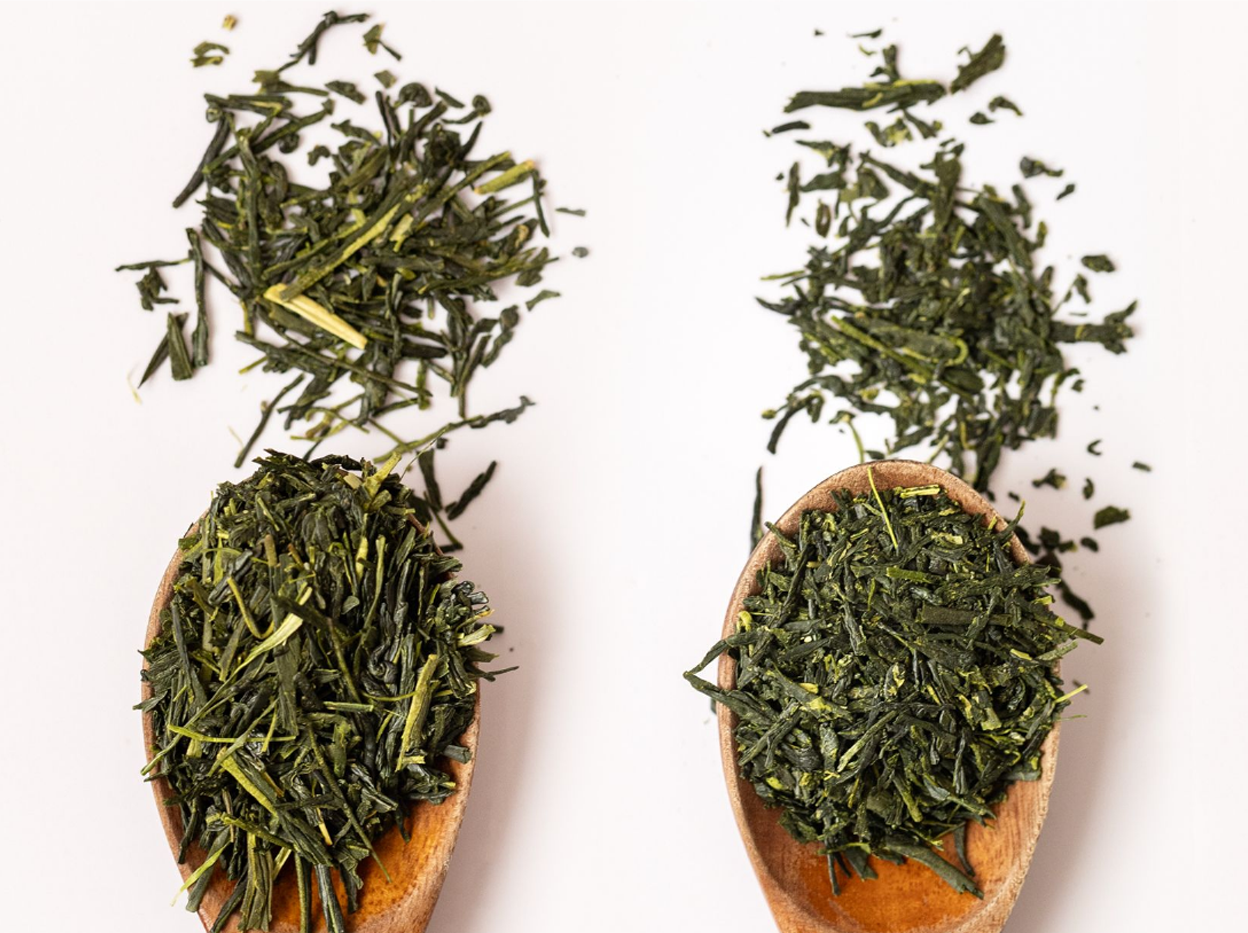
Kabusecha combines the refreshing, vegetal character of sencha with the mellow sweetness associated with shaded tea.
Our Organic Kabusecha is an excellent introduction to this style of Japanese green tea.
As mentioned earlier, some senchas from Kagoshima also undergo shading before harvest, even when they are sold as sencha rather than kabusecha.
Our Single Cultivar Sencha Kirari 31 comes from Kinkō, Kagoshima.This single cultivar tea offers distinctive marine and leafy-green notes, balanced by a satisfying astringency.
Gyokuro
Gyokuro is among Japan's most prized loose-leaf green teas. Its extended shading period produces a concentrated umami flavor, smooth texture, and distinctive sweetness.
For those interested in experiencing the rich character of shaded tea, we offer Gyokuro and Shizuku Gyokuro.
Shiraore and Karigane
Shiraore and karigane are Japanese shaded leaf stem teas made using stems separated during tea processing.
Karigane is commonly associated with stems from high-quality shaded teas such as gyokuro, offering a lighter expression of their sweetness and umami.
Matcha
Matcha is produced from tencha, a shaded green tea that is steamed, dried without rolling, and finely ground into powder. Its shading period contributes to the deep green color, rich umami, and smooth flavor associated with Japanese matcha.
Unlike loose-leaf teas, matcha is whisked directly into water, allowing you to consume the entire powdered tea leaf.
Explore our Matcha Collection to discover different matcha varieties for traditional preparation and everyday enjoyment.
Discover the Flavor of Shaded Tea
From the gentle umami of kabusecha to the rich, concentrated flavor of gyokuro and matcha, shading has an important influence on the character of Japanese green tea.
The next time you prepare a cup, consider how the growing conditions and shading period have contributed to its flavor. Exploring different shaded teas is a wonderful way to experience the variety of Japanese tea cultivation.